
Reading Residents Directory Search
The Reading residents directory draws from public records kept at the Town Clerk's office on Lowell Street and through Middlesex County agencies that serve this town north of Boston. Reading has a population near 26,000 and maintains vital records, voter rolls, an annual town census, and street listings that form the core of any resident search. The Town Clerk issues birth, death, and marriage certificates. The annual street list shows who lives at each address. Middlesex County adds property deeds and court filings that round out a residents directory lookup. Most searches start at the Reading Town Hall or on the town website.
Reading Overview
Reading Town Clerk Office
The Reading Town Clerk is at 16 Lowell Street, Reading, MA 01867. You can call the office at 781-942-9073. The fax line is 781-942-4510. This is the main source for vital records in Reading. The clerk holds birth, death, and marriage records that go back through the town's history. You can get certified or plain copies in person or by mail. Certified copies have the town seal and work for legal use. Plain copies are fine if you just need the facts for your own records.
The Town Clerk is the hub of the Reading residents directory. Vital records tie names to dates and addresses. Voter rolls show who is registered and where they live. Dog licenses, business certificates, and other town filings each add a data point that can help confirm a person's link to a Reading address. Staff can help with searches during regular hours. Bring a valid photo ID when you want certified copies of any record. You can also send requests by mail with a check and a self-addressed stamped envelope.
| Office | Reading Town Clerk |
|---|---|
| Address | 16 Lowell Street Reading, MA 01867 |
| Phone | 781-942-9073 |
| Fax | 781-942-4510 |
| Website | readingma.gov/town-clerk |
Note: Call ahead at 781-942-9073 to check hours before you visit, especially near holidays or town meeting dates.
Reading Residents Directory Lookup
Reading runs a census of all residents each January. This is required by M.G.L. c.51 §4. Every household gets a form to fill out. The results feed into voter rolls and the street list. If you skip the census, you risk getting dropped from the active voter list. The data also helps build the jury pool and other town records. This annual count is one of the things that makes Massachusetts unique for resident searches compared to most other states.
The street list is one of the best tools in the Reading residents directory. Under M.G.L. c.51 §6, the list is a public record. It shows names and addresses for every Reading resident age 17 and older, sorted by street. You can buy a copy from the Town Clerk for a small fee. Researchers use it to check who lives at a given address. If you compare lists from different years you can see when someone moved in or out of Reading. Each list captures a snapshot of the resident population as of January 1, which makes it a strong tool for tracing a person's time in town over several years.
Voter lists are free. Anyone can get a copy from the clerk's office. These lists show name, address, and party affiliation for each registered voter in Reading. They overlap with the street list but add the party detail. Both lists come from the same census data and serve as solid starting points for a residents directory search.
Prospective juror lists also come from this census data. Under M.G.L. c.234A §15, these lists are public records. They give you yet another way to confirm that someone lived in Reading in a specific year.
Reading Public Records Access
Public records in Reading go well past vital records and voter lists. Under M.G.L. c.66 §10, any person can request records from town departments. The town must respond within 10 business days. This covers building permits, health department files, assessor data, meeting minutes, and more. Each of these record types can hold address or name data that helps build a fuller picture in a Reading residents directory search.
Fees are low. Copies cost $0.05 per page for standard paper. The first two hours of staff search time are free. After that, the charge can go up to $25 per hour. Most basic requests cost very little. Put your request in writing and be specific about what you need. Names, dates, and addresses help the staff find the right files faster. You do not need to give a reason for your request.
The Town of Reading website lists all departments and their contact details. Start there if you are not sure which office has the records you need.
Reading Directory Resources
The MassGIS data portal provides geographic and property data layers that cover Reading and every other town in the state. This tool is useful when you need to cross-reference parcel data with resident information.
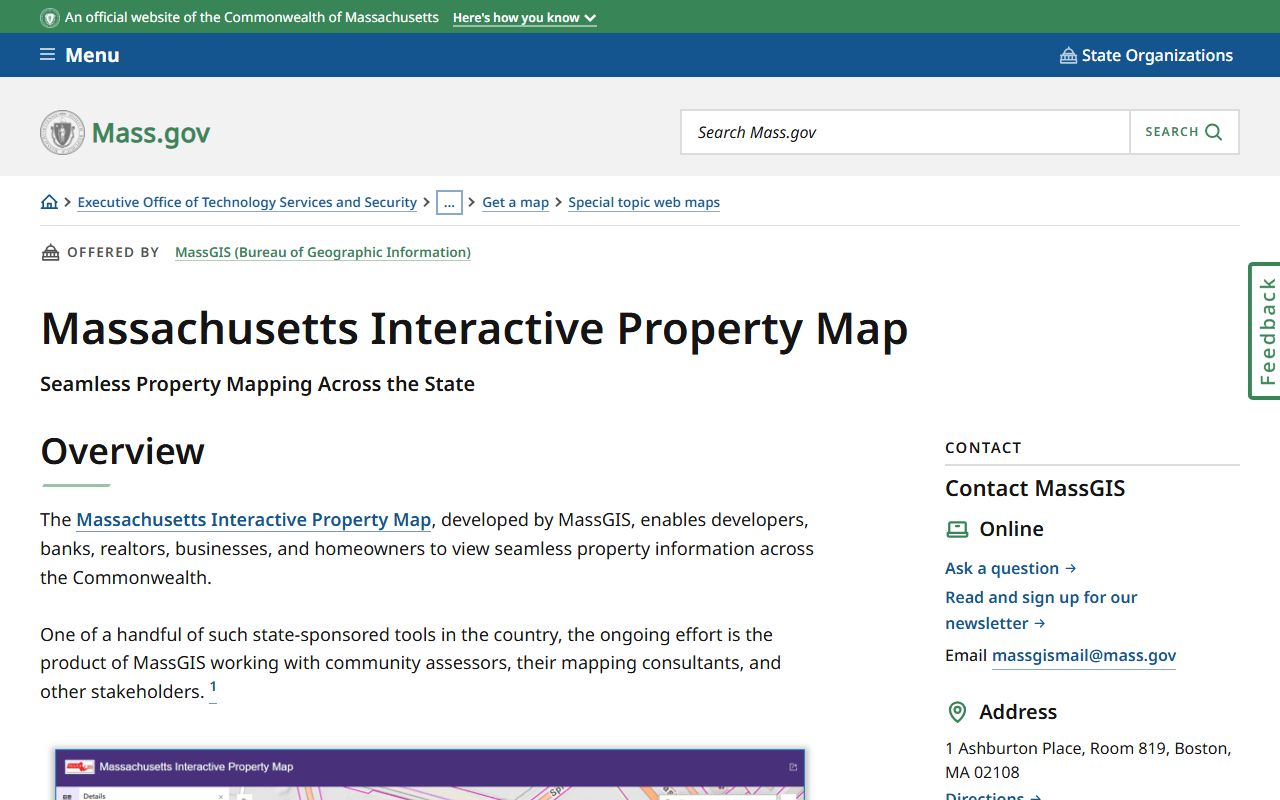
Property and land data from MassGIS can supplement what you find through the Town Clerk. Parcel boundaries, zoning maps, and assessment layers all tie back to addresses in Reading. When you pair this geographic data with the street list and vital records from Town Hall, you get a broad view of who lives where and what property they hold.
Middlesex County Records for Reading
Reading sits in Middlesex County. County records add real depth to any residents directory search. The Middlesex South Registry of Deeds handles property filings for Reading. You can search deeds, mortgages, and liens online through MassLandRecords.com. Property records connect names to street addresses and show ownership chains over time. If you need to know who owned a home or parcel in Reading, the registry is the right place to look.
Court records at the county level also hold address information. Civil filings, probate matters, and family court cases often list the home addresses of the parties involved. These are public records you can search through the Middlesex County court system. Between property records and court filings, the county provides a strong secondary source for the Reading residents directory. It fills gaps that the town records may not cover on their own.
Note: The Middlesex South Registry of Deeds serves Reading and dozens of other towns in the southern part of the county.
Middlesex County Residents Directory
Reading is part of Middlesex County, the most populous county in Massachusetts. The county keeps deed records, probate files, and court indexes that include Reading residents. For a full view of county-level resources available for your search, check the Middlesex County page.
Nearby Cities
Communities near Reading keep their own residents directory records. If your search covers the area north of Boston, these pages list similar record types and access methods for neighboring cities and towns.